SEG Backlit Displays: How to Make Your Brand Stand Out at Trade Shows
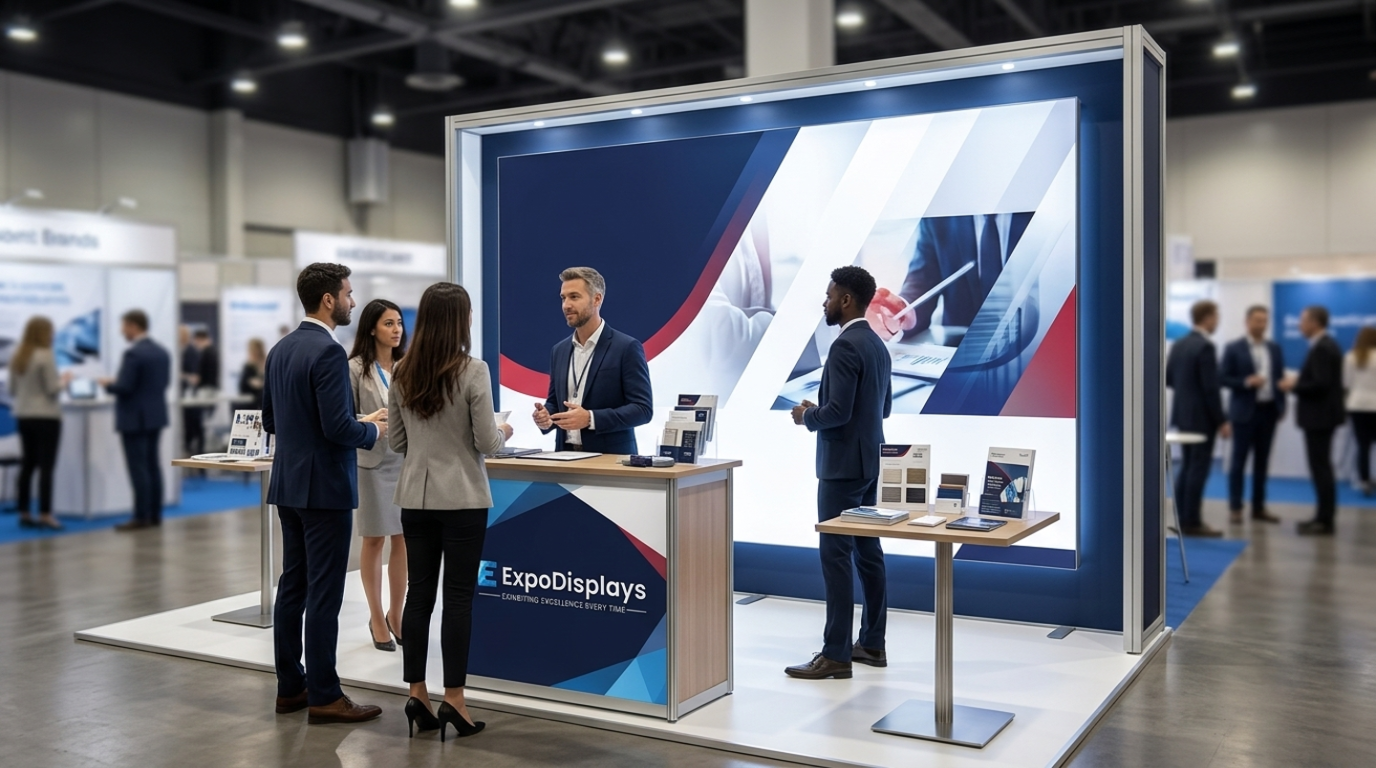
Trade shows and business exhibitions give companies an opportunity to connect with potential customers, introduce new products, and build brand awareness. However, with numerous exhibitors competing for attention, creating a visually appealing booth is essential.
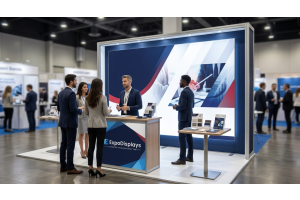
SEG backlit displays are an effective solution for businesses that want to create bright, professional, and eye-catching exhibit spaces. By combining illuminated graphics with a sleek display frame, these systems help brands present their messages clearly and attract attention in busy exhibition halls.
In this guide, we’ll explore how SEG backlit displays work, their key benefits, and how to choose the right option for your next trade show or marketing event.
What Are SEG Backlit Displays?
SEG stands for Silicone Edge Graphics. These displays use printed fabric graphics with a thin silicone strip sewn around the edges. The strip fits into a specially designed frame, creating a smooth, seamless appearance.
When combined with LED lighting, a backlit SEG display illuminates the printed graphic from behind. This makes colors appear vibrant and helps visual elements stand out in exhibition halls, retail environments, and corporate spaces.
Unlike traditional printed banners, SEG backlit displays offer a clean, modern presentation with minimal visible hardware.
6 Benefits of Using SEG Backlit Displays
1. Improve Brand Visibility
Trade show floors can be crowded and visually overwhelming. An illuminated display can help your booth stand out by drawing attention to your graphics, products, and messaging.
Use bold brand colors, high-quality images, and a clear headline to communicate what your business offers at a glance.
2. Create a Professional Booth Appearance
A seamless fabric graphic stretched across a sleek frame creates a polished, contemporary look. SEG backlit displays work well for businesses that want a premium presentation without making their booth design unnecessarily complicated.
They can serve as a main backdrop, a product-feature wall, or an accent display within a larger exhibition setup.
3. Make Graphics More Impactful
LED illumination helps showcase colors, product photography, and important design elements. This can be particularly useful when presenting product collections, lifestyle imagery, or campaign visuals.
For the best results, use high-resolution artwork and ensure that your design is suitable for backlit printing.
4. Support Flexible Marketing Campaigns
Businesses frequently update their marketing messages for different events, product launches, and seasonal campaigns. Depending on the display system, the fabric graphic can be replaced while the frame is reused.
This provides flexibility for companies that attend multiple trade shows throughout the year.
Before purchasing, confirm whether replacement graphics are available and whether they are compatible with your existing frame.
5. Complement Other Trade Show Displays
SEG backlit displays can be integrated into a wider exhibit design. Combine them with modular booth structures, reception counters, promotional tables, shelving, or product demonstration areas.
A coordinated display system helps create a consistent brand experience throughout the booth.
6. Work Across Multiple Environments
Although commonly used at trade shows, SEG backlit displays can also support marketing in retail stores, showrooms, corporate offices, reception areas, and event venues.
Their versatility makes them a useful option for businesses that need professional visual communication in several settings.
Where Can You Use SEG Backlit Displays?
The right application depends on your business goals and the environment in which the display will be used.
-
Trade shows and exhibitions: Create an illuminated booth backdrop that attracts visitors and reinforces your brand identity.
-
Retail stores: Highlight promotions, featured products, or seasonal campaigns.
-
Corporate offices: Present company messaging, achievements, or branded visuals in reception areas.
-
Product launches: Use large illuminated graphics to introduce new products and create a memorable presentation.
-
Showrooms: Enhance product photography and brand messaging in customer-facing spaces.
-
Conferences and events: Establish a professional background for presentations, networking, and branded photo opportunities.
Choose a display size, lighting configuration, and frame style that suit the intended location.
SEG Backlit Displays vs. Traditional Trade Show Graphics
Both traditional fabric displays and SEG backlit displays can support event marketing, but they offer different visual effects.
| Feature | SEG Backlit Displays | Traditional Fabric Displays |
|---|---|---|
| Lighting | Integrated backlighting on illuminated models | Usually relies on ambient lighting |
| Visual impact | Bright, illuminated graphics | Clean printed graphics |
| Appearance | Sleek frame with a seamless fabric finish | Depends on the display system |
| Best suited for | High-visibility backdrops and feature walls | General booth branding and backgrounds |
| Setup considerations | Requires a compatible frame and power source for illuminated models | Depends on the selected display system |
The best choice depends on your budget, booth design, lighting conditions, and marketing objectives. Backlighting is especially useful when you want the graphic itself to become a prominent feature of the display.
How to Choose the Right SEG Backlit Display
1. Determine Your Display Size
Start by measuring your booth or installation area. A large backlit wall may work well as the main booth backdrop, while a smaller unit may be better for highlighting a specific product or message.
Ensure the display fits comfortably within your allocated space and does not obstruct visitor movement.
2. Select a Suitable Frame System
Consider how frequently you will use the display and whether you need a portable, modular, or more permanent solution.
If your company participates in multiple exhibitions, look for a system that supports practical transport, straightforward assembly, and compatible replacement graphics.
3. Plan Your Graphic Design
Your graphics should communicate your message quickly. Use a clear visual hierarchy that includes:
-
Your logo and brand colors.
-
A concise headline or value proposition.
-
High-quality product images or relevant photography.
-
A clear call to action, where appropriate.
Avoid filling the display with long paragraphs or too many competing visual elements. Simple, high-impact graphics are generally easier to understand from a distance.
4. Review the Lighting Specifications
Check the LED configuration, light distribution, power requirements, and any setup instructions provided by the manufacturer.
Even illumination is important for maintaining a consistent appearance across the graphic. Confirm that the lighting system is appropriate for your intended venue.
5. Consider Transportation and Installation
If the display will travel between events, review the frame weight, packing requirements, assembly process, and available carrying or shipping options.
Ask whether the display includes the frame, lighting, printed fabric, power components, and any required accessories.
6. Compare the Total Cost
The initial purchase price is only one part of the decision. Consider replacement graphics, shipping, storage, installation, lighting components, and future reuse.
A reusable system may offer better long-term value for businesses that regularly participate in exhibitions and promotional events.
Design Tips for More Effective Backlit Displays
A well-designed SEG backlit display combines visual appeal with a clear marketing message.
Use high-resolution artwork. Low-quality images may appear less professional when printed at a large scale.
Keep your message concise. Visitors should be able to understand your business offering quickly, even when passing your booth.
Choose strong visual contrast. Make sure the headline, logo, and important graphics remain easy to recognize.
Check artwork for backlit printing. Colors can appear different when illuminated. Review print specifications and request a proof when available.
Maintain brand consistency. Coordinate the display with your booth graphics, promotional counters, literature, and other marketing materials.
Think about viewing distance. Important messaging should be large enough to read from the aisles or the expected viewing area.
Common Mistakes to Avoid
When planning an illuminated display, avoid these common issues:
-
Selecting a display that is too large or too small for the booth.
-
Using low-resolution photographs or poorly prepared artwork.
-
Adding too much text and too many competing messages.
-
Overlooking electrical access and power requirements.
-
Assuming replacement graphics will fit every frame system.
-
Failing to coordinate the display with the rest of the booth.
-
Ignoring transportation, setup, and storage requirements.
Planning these details in advance can help reduce installation problems and create a more cohesive exhibition experience.
Combine SEG Backlit Displays With a Complete Booth Setup
An illuminated backdrop can become the visual centerpiece of your booth, but the surrounding elements also influence the visitor experience.
Consider pairing your SEG backlit display with a modular trade show booth, a branded reception counter, product demonstration space, and complementary promotional graphics. Depending on your marketing goals, you may also incorporate display stands or other branded signage.
Keep the layout organized, leave enough space for visitors to interact with your team, and ensure that the most important brand messaging is visible from the main approach.
A coordinated setup helps create a professional environment for product demonstrations, conversations, and lead generation.
Final Thoughts
SEG backlit displays offer businesses a modern way to present illuminated graphics at trade shows, exhibitions, retail locations, and corporate events. Their seamless appearance, strong visual impact, and potential for reusable graphics make them a useful option for companies looking to improve their marketing environments.
The right display depends on your space, graphic design, lighting needs, transportation requirements, and budget. By planning these elements carefully, you can create a display that attracts attention while communicating your brand message effectively.
Ready to plan your next exhibit? Explore the trade show display and illuminated display solutions available from ExpoDisplays Canada to find options that fit your event requirements and branding goals.