Custom Trade Show Displays: How to Make Your Brand Stand Out at Every Event
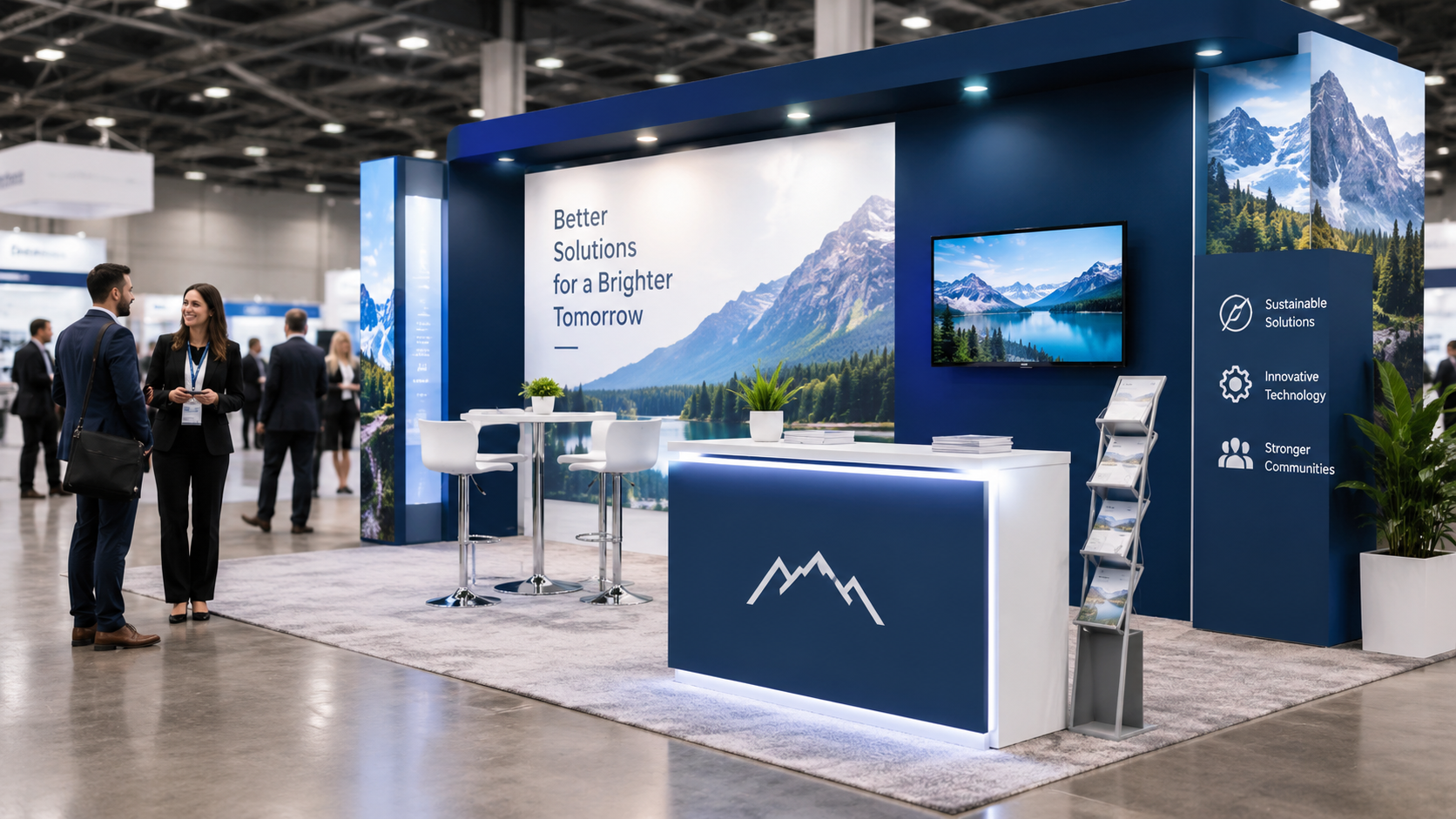
Trade shows give businesses an opportunity to connect with potential customers, demonstrate products, and build valuable professional relationships. However, with multiple exhibitors competing for attention, creating a memorable booth experience is essential.
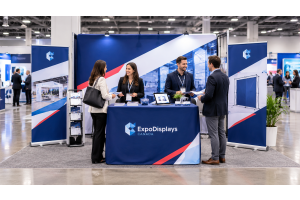
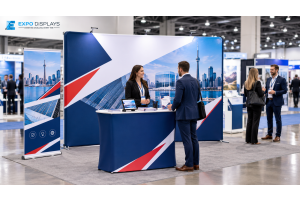
Custom trade show displays help businesses communicate their brand identity, showcase products, and create a professional environment for engaging visitors. From portable fabric backdrops to illuminated modular exhibits, the right display can make your booth more inviting and effective.
In this guide, we explore different types of custom trade show displays and how to choose the right solution for your next event.
What Are Custom Trade Show Displays?
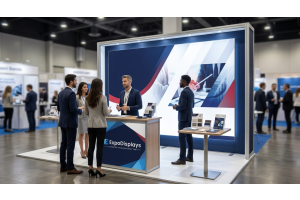
Custom trade show displays are branded exhibition structures designed to present a business, product, or service at an event. They can incorporate company logos, promotional graphics, product information, lighting, and interactive elements.
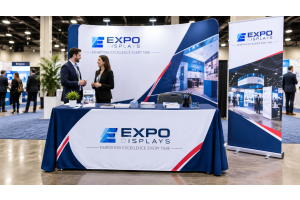
Unlike a basic table setup, a professionally designed display helps establish a consistent brand presence and gives visitors a clear understanding of what your business offers.
Businesses can choose from portable displays, modular booth systems, fabric backdrops, illuminated displays, and larger custom exhibition setups based on their space and marketing goals.
5 Types of Trade Show Displays to Consider
1. Tension Fabric Displays
Tension fabric displays use printed fabric stretched over a frame to create a smooth, professional graphic backdrop. They are popular for trade shows, conferences, presentations, and promotional events.
Best for: Businesses looking for a lightweight, visually consistent backdrop that can be used at multiple events.
Fabric displays can help communicate your message through large graphics, product imagery, and brand colours while maintaining a clean exhibition appearance.
2. SEG Modular Displays
Silicone edge graphics (SEG) displays use fabric graphics with silicone edging that fits into a compatible frame. This creates a neat, streamlined appearance that works well for professional exhibition environments.
Some SEG systems also offer modular configurations, allowing businesses to adapt their display layouts to different booth sizes.
Best for: Brands that want clean graphics, flexible configurations, and a polished exhibition presence.
3. Illuminated Trade Show Displays
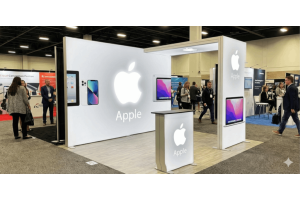
Lightbox displays incorporate integrated lighting to illuminate printed graphics. The lighting can help images and messaging stand out in busy exhibition halls.
Illuminated displays are particularly useful when businesses want to emphasise product photography, campaign visuals, or important brand messages.
Best for: Technology companies, premium product brands, and businesses seeking a high-visibility display.
Before choosing a system, check its lighting specifications, power requirements, and compatibility with your booth layout.
4. Portable Trade Show Booths
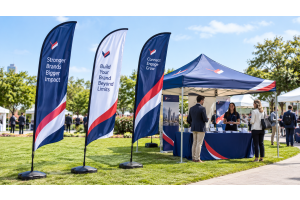
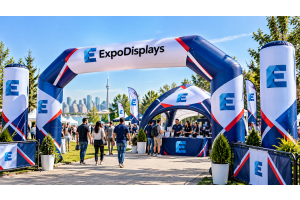
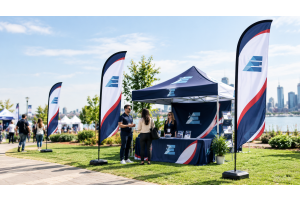
Portable trade show booths are designed to make transportation and setup more manageable. Depending on the system, they may include lightweight frames, fabric graphics, counters, and accessories.
These displays are practical for companies that attend several events each year and need a consistent brand presentation.
Best for: Small businesses, sales teams, startups, and exhibitors who frequently travel to events.
5. Modular Exhibition Booths
Modular exhibition booths use configurable components that can be arranged to suit different spaces and presentation requirements.
Businesses can combine display walls, counters, lighting, and other compatible elements to create a more comprehensive exhibition environment.
Best for: Growing companies, established exhibitors, and marketing teams that need adaptable booth layouts.
Benefits of Investing in Custom Trade Show Displays
Build brand recognition
Consistent logos, colours, imagery, and messaging help visitors recognise your business. A well-planned display makes your booth feel cohesive and professional.
Communicate your message quickly
Trade show visitors often have limited time. Clear headlines, product images, and concise messaging can help people understand your offering at a glance.
Create better visitor interactions
A thoughtfully arranged booth can provide space for product demonstrations, conversations, lead collection, and promotional activities.
Support repeat event use
Many portable and modular systems are designed to be reused. Choosing a suitable system can help businesses maintain consistent branding across multiple events, subject to the product's configuration and care requirements.
Improve the overall booth experience
A combination of backdrops, lighting, counters, and product displays can make your exhibition space more organised and welcoming.
How to Choose the Right Trade Show Display
Selecting a display starts with understanding your business objectives and practical requirements.
1. Define your event goals. Decide whether your primary objective is lead generation, product demonstrations, brand awareness, or customer meetings.
2. Check your booth dimensions. Confirm the event's permitted booth footprint and height restrictions before choosing a display system.
3. Consider portability. If your team travels frequently, review packed dimensions, transport requirements, assembly instructions, and storage needs.
4. Plan your graphics. Use high-quality imagery, readable messaging, and consistent brand colours. Avoid overcrowding the display with too much information.
5. Review lighting and accessories. Determine whether your booth needs illuminated graphics, counters, shelves, monitor mounts, or additional signage.
6. Establish your budget. Compare the complete setup, including the display structure, printed graphics, accessories, shipping, storage, and any event-specific requirements.
7. Think about future events. If you exhibit in different booth sizes, a compatible modular system may offer greater flexibility than a display designed for just one layout.
Common Trade Show Display Mistakes to Avoid
Even a high-quality display can be less effective if it is not planned properly.
-
Using too much text that visitors cannot read from a distance.
-
Choosing graphics that do not clearly communicate the business's main offering.
-
Ignoring venue dimensions, height limits, or electrical requirements.
-
Blocking visitor access with poorly positioned furniture or counters.
-
Overlooking lighting, cable management, and setup requirements.
-
Selecting a display without considering transport, storage, or future reuse.
Planning these details in advance helps create a booth that looks professional and supports your event objectives.
How to Make Your Trade Show Booth More Engaging
A successful booth combines attractive visuals with a clear visitor experience.
Use a strong headline to communicate your primary value proposition. Position your most important graphics where they can be seen from the aisle, and organise the booth so visitors can approach your team comfortably.
If appropriate for your audience, incorporate product demonstrations, samples, interactive presentations, or a simple lead-capture process. Ensure staff can explain the offering clearly and follow up with qualified leads after the event.
The goal is not simply to create an attractive booth. It is to give visitors a useful reason to stop, engage, and learn more about your business.
Create a Professional Exhibition Presence with ExpoDisplays Canada
The right trade show display can help your business present its products clearly, maintain consistent branding, and create a welcoming environment for prospective customers.
Whether you need a portable fabric backdrop, an illuminated SEG display, or a modular exhibition booth, evaluate your event space, marketing goals, and long-term requirements before selecting a solution.
Explore the trade show display options available from ExpoDisplays Canada to find a setup that supports your next exhibition, conference, or promotional event.
Prepare your graphics, confirm your booth specifications, and plan your visitor experience to make the most of every event opportunity.